

An upgrade to a holiday let is a capital decision, and it should be judged the way any capital decision is, by what it returns rather than by how it looks in a photograph. Some improvements pay for themselves inside a season or two through higher rates and steadier occupancy. Others are pleasant, expensive and almost invisible in the accounts.
The western Algarve market gives an owner a fair amount of room to recover the right upgrades. Recent readings of the Portuguese vacation rental market show inventory at an all-time high, with listings up around 6 per cent year on year and a further 5 to 7 per cent rise in average daily rates expected, so competition is climbing and the nightly rate is doing more of the work than raw occupancy. In that setting the properties that hold their rate tend to be the ones equipped for it.
The upgrades that pay for themselves fastest
In a coastal climate two improvements sit above the rest for return. Effective air conditioning is close to non-negotiable for a summer let this far south, where a property that cannot be cooled in July loses bookings outright and collects the reviews to match. Fast and reliable internet has moved from a nicety to a baseline expectation, and it is the single amenity most likely to be filtered for before a guest even opens a listing.
Neither is glamorous, and that is rather the point. They seldom appear in the headline photographs, yet their absence is felt at once by a guest and shows up in the rate a property can command and the reviews it earns. Getting these two right is the cheapest reliable way to protect a nightly rate.
The pool and what surrounds it
For most western Algarve villas the private pool is the reason a property is booked at all, and it carries the highest weight of any single feature. Keeping it visibly clean and correctly presented matters as much as having it, and a tired or poorly kept pool undoes much of the advantage of owning one.
Pool heating is the upgrade that changes the shape of the year rather than the peak. A heated pool makes the property usable through the long spring and autumn shoulder, when the air is warm but the water is not, and it is in those shoulder months that careful equipping does most of its work. The summer weeks fill regardless. It is April, May, September and October where a heated pool and a sheltered terrace turn an enquiry into a booking.
The outdoor upgrades that tend to reward the spend include the following.
- Pool heating that extends the usable season into the spring and autumn shoulder
- Shade and shelter on the terrace, so the outdoor space works across more of the day and year
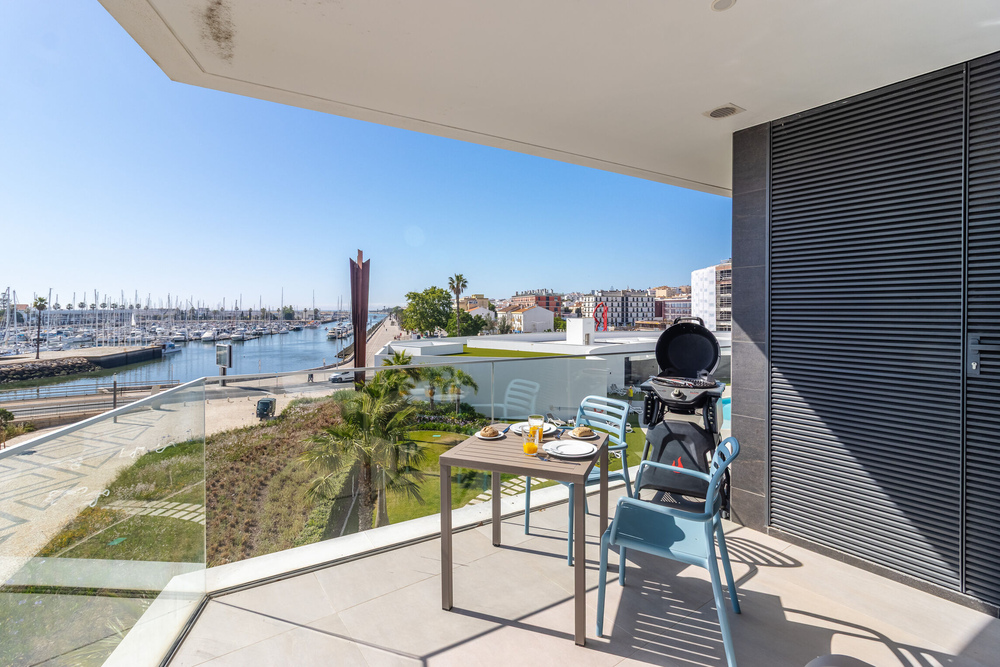
- Outdoor dining and a well equipped barbecue area, which guests increasingly treat as a main living space
- Quality outdoor furniture that survives sun and salt rather than degrading within a season
Upgrades that widen the guest you can reach
Some improvements do not lift the peak rate so much as open up guests an owner could not otherwise take. A proper workspace, a real desk and a reliable connection, brings in the remote workers and longer winter stays that fill the quietest weeks. Electric vehicle charging is moving the same way, with demand rising steadily as more visitors arrive in electric hire cars and begin to filter for it.
These are worth weighing against the specific property. A car-dependent villa inland gains more from charging than a walkable apartment in central Lagos, and a home aimed at families gains less from a workspace than one that suits couples and remote workers out of season. The value of an upgrade depends on the guest it is meant to reach.
The upgrades that cost more than they return
Not every improvement earns its keep. Expensive interior finishes that photograph well can add far less to the achievable rate than owners hope, and features that carry heavy running or maintenance costs can quietly erode the yield they were meant to build. The test is always whether an upgrade changes the rate, the occupancy or the sort of guest a property attracts. If it does none of those, it is spending rather than investing.
Keeping upgrades within the rules
Any work on a let has to leave the property compliant as well as improved. A property registered for Alojamento Local carries safety obligations that upgrades must not compromise, from working alarms to pool safety and electrical certification, and the registration filed through the national tourism register has to stay current as the property changes. An improvement that quietly breaches a safety condition is a liability rather than an asset.
Summary
The upgrades that raise yield in the western Algarve are mostly the practical ones. Air conditioning and fast internet protect the rate, a well kept and heated pool extends the season, and a workspace or charging point widens the guest an owner can reach. The expensive cosmetic touches tend to return the least. Judged against rate, occupancy and guest type, most improvements sort themselves fairly quickly into worthwhile and not.
Deciding where to spend is easier with a clear read of how a property is actually performing, and every home Resort Rentals Algarve manages is assessed on exactly that basis before an owner commits to work. If you would like your property weighed up this way and let alongside the rest of our Algarve rentals, our management team is placed to say which upgrades will earn their return and which will not.